
Tuning In: A Business Owner’s Guide to Music Copyright in Malaysia
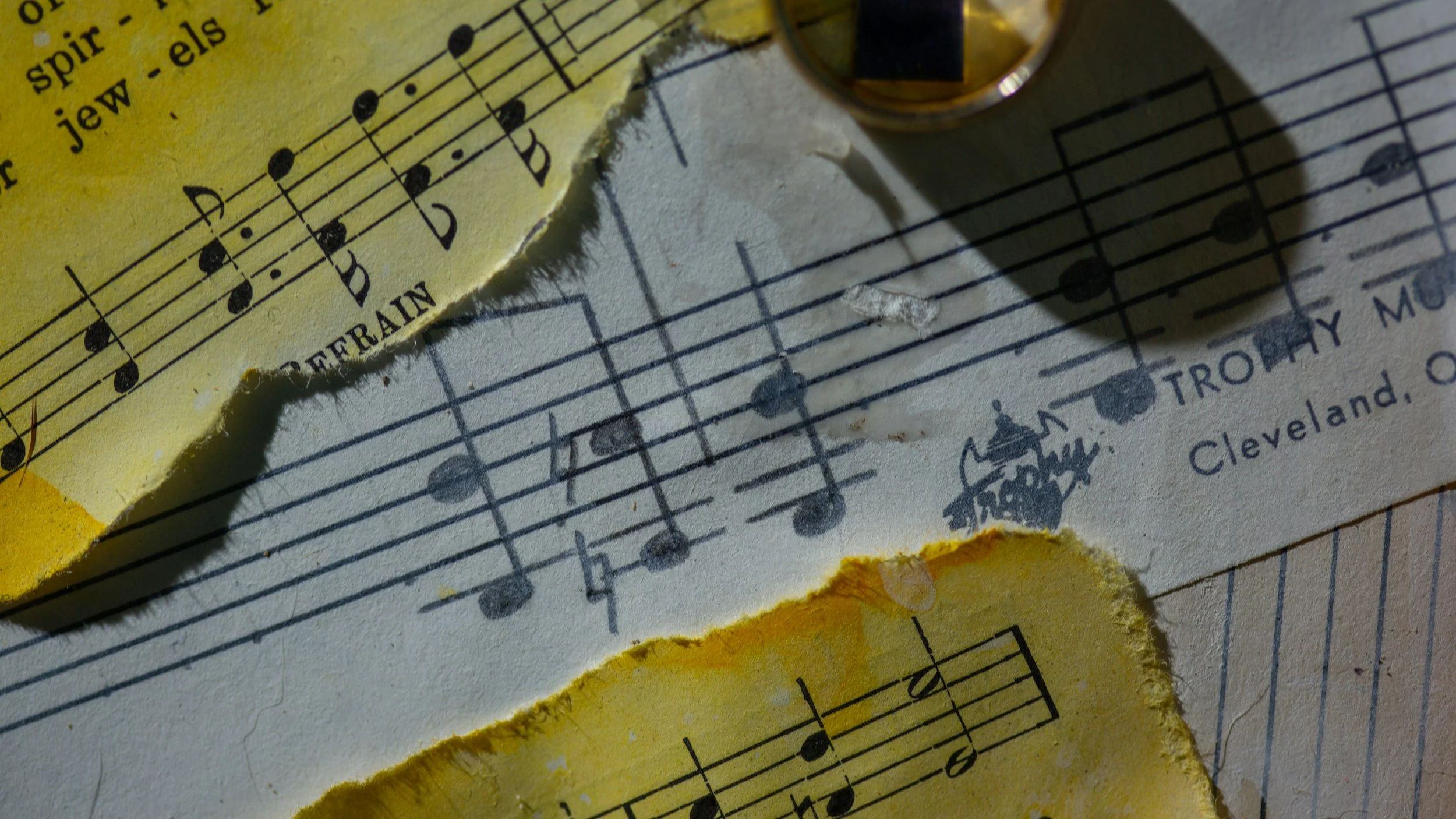
Image credits to KIRK CAMERON @psarahtonen
Music is more than just background noise; it creates a welcoming atmosphere that enhances themed décor and harmonizes the overall customer experience. In a competitive market, the right playlist can significantly increase customer loyalty and encourage repeat business by providing a relaxing backdrop. However, simply hitting "play" in a commercial space isn't as simple as it seems.
In Malaysia, playing music in public and commercial spaces is governed primarily by the Copyright Act 1987. Playing copyrighted tracks without the proper authority is illegal, and non-compliance can lead to severe legal consequences.
Understanding Music Licensing
Music licensing is the legal process that grants businesses the authority to use copyrighted works in a public or commercial setting. This process ensures that everyone involved in creating a song is fairly compensated for the public performance of their work. This includes:
Songwriters
Composers
Performers
Recording Companies
To stay compliant, businesses must identify and approach the relevant performing rights organizations based on their specific music usage and objectives:
Music Authors’ Copyright Protection (MACP): Represents the creators of the musical compositions and lyrics, specifically music usage and objectives.
Public Performance Malaysia (PPM): Represents performers, such as vocalists and musicians, and deals with the public performance rights of sound recordings.
Recording Performers Malaysia (RPM): Represents the interests of record labels.
Choosing the Right License
Not all music use is the same, and the type of license you need depends on your business goals. Most establishments will require one of the following:
Public Performance License: This is mandatory whenever music is played or performed in a public space that goes beyond a strictly personal, non-commercial atmosphere.
Synchronisation License: Often called a "sync" license, this is crucial for businesses that intend to integrate copyrighted music with visual elements, such as using background music in promotional videos or soundtracks in commercials.
The application process typically involves providing details about your premises, the nature of your business, and exactly how the music will be used. Fees are then calculated based on factors such as venue size, audience capacity, and the duration of the license.
The Exceptions: Schools and NGOs
While the law is strict, there are limited "free passes" where a license may not be required.
Educational Institutions
Schools and education institutions are generally exempt if the performance is purely for educational purposes and the audience is limited to students, staff, and people directly connected to school activities. Section 13(2)(f) allows for the inclusion of copyrighted work for teaching purposes, provided it is compatible with fair practice and does not harm the owner's market. However, there is a specific restriction regarding examinations: you cannot provide a student with a photocopied or scanned copy of an entire song for them to perform during an exam.
Non-Profit Organizations (NGOs)
NGOs often look for exceptions under Section 13(2)(k), but you only qualify for this "free pass" if you meet three conditions simultaneously:
The event is organised by a registered non-profit club or institution.
The purpose of the performance is strictly for charity or education.
Absolutely no admission fee or ‘contribution fee’ is charged to the audience.
If your event involves any kind of fee—even for fundraising—the creators are legally entitled to their royalty because you are using their work to raise that money. In these cases, NGOs should apply for a "Single Event License" unless they are using music that is specifically royalty-free or in the public domain.
A Note on the Public Domain
If you want to avoid licensing fees entirely, you can look for works in the public domain. These are creative works that are no longer protected by copyright law. In Malaysia, works generally enter the public domain once their protection period expires, which is typically 50 years.
